A gem nail manicure begins with a clear set of choices. Before choosing twenty pictures, decide what you want the design to do: show a vivid color, frame a French tip, feature a butterfly or make one spectacular jewel the center of attention. Then build the other details around that decision.
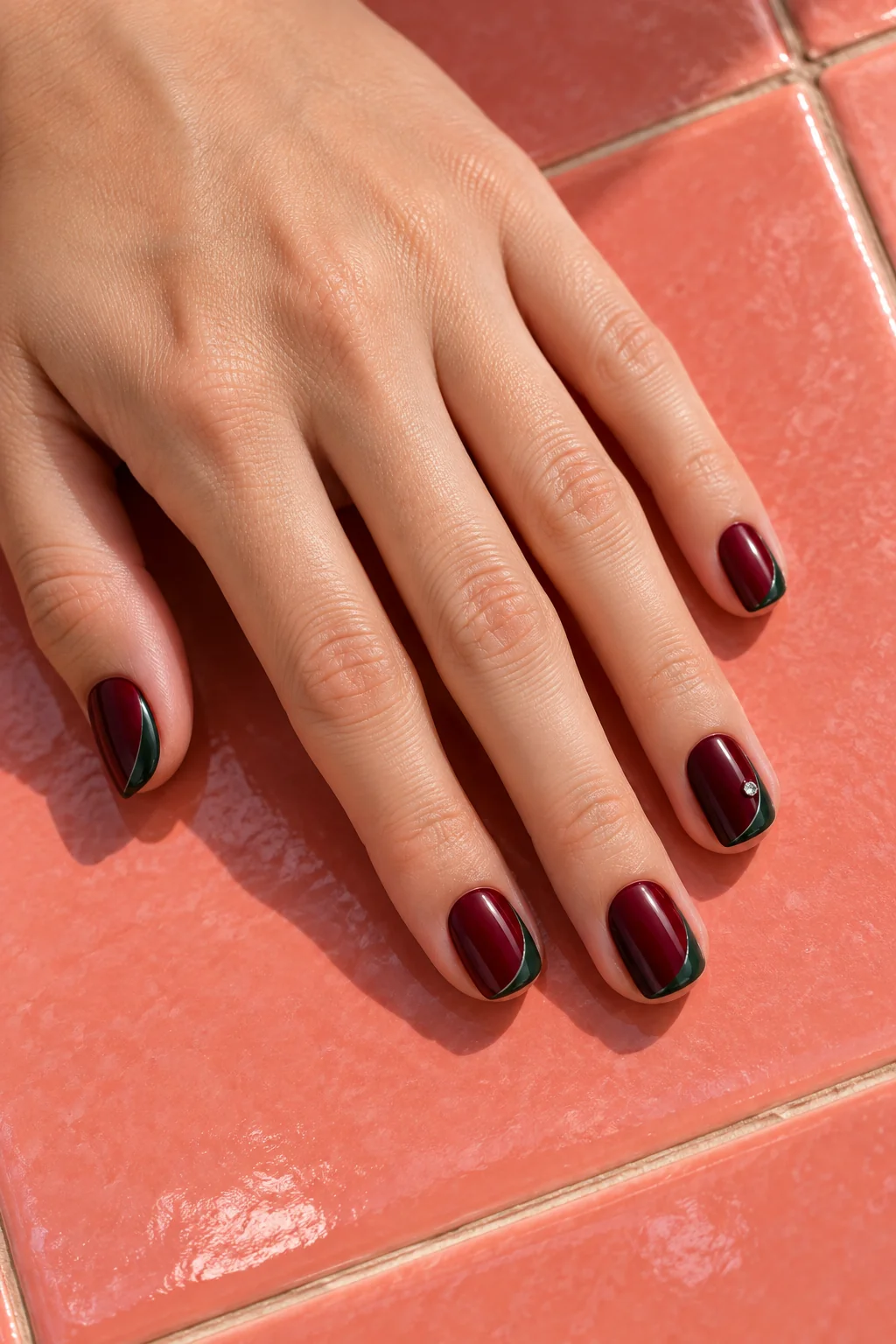
This guide turns a saved image into a salon conversation. It links our design collections with materials selection and aftercare so you can plan the whole set, rather than only the photograph.
1. Plan your gem nail manicure around your week
List the activities your hands need to manage: typing, fastening small buttons, wearing gloves, caring for someone or handling equipment. Include workplace rules on nail length and embellishments. Tell the artist about these constraints before asking for a shape or a raised charm. A design can be adapted; the reference does not need to be copied at the expense of comfort.
Decide whether this is an event manicure or a set for your usual routine. For an event, also plan a removal appointment and the work you will do afterward. Avoid choosing a design that only works for the few minutes of the event photograph.
2. Separate shape from the artwork
An almond reference can supply a color idea for a short rounded-square set. Preserve the feature that attracted you and let the artist redraw it for your nail width and available length. Ask to see the proposed outline before decorative work begins.
| Starting point | Design approach to discuss | What to simplify first |
|---|---|---|
| Short rounded-square nails | A narrow French band, a tiny off-center accent or one painted motif | Wide clusters that occupy most of the nail |
| Medium oval or almond nails | A diagonal color sweep with one focal accent | Several competing motifs on the same nail |
| Longer statement shapes | A larger color field with a clear focal arrangement | Ornaments whose height interferes with your routine |
These are composition suggestions, not rules about which nail shape a person should wear. Your natural nails, the chosen system and the artist’s assessment determine what is practical.
3. Give each color a job
For your gem nail manicure, choose a main shade, an accent shade and, if needed, a small metallic detail. A cobalt-and-peach set might use peach as the base, cobalt at the tips and a few clear crystals. If you switch the base and tip colors, you change the balance without adding a new ingredient.
For a multicolor set, repeat one element: the same tip width, the same small crystal placement or the same finish. That repetition connects the nails even when the colors differ. If the sketch feels crowded, remove a detail before adding another shade.
4. Map the gem placement on both hands
Write the fingers across a page and mark which nails carry a feature. Look at the whole hand, not just ten isolated designs. You can use matching feature fingers on both hands or deliberately make one hand simpler. Tell the artist which option you prefer.
A crystal line emphasizes a curve; a single stone marks a focal point; a cluster becomes a motif of its own. Choose the role before choosing the number of gems. Consider the side view as well as the top view, especially for wings, bows and sculpted fruit. Our rhinestone, flatback and charm guide explains the dimensions and material questions to check.
5. Bring a short brief instead of a pile of screenshots
Use this example as a template you can edit:
I want a short rounded-square set with cobalt French tips over a sheer pink base. Keep the smile line narrow. I like the crystal curve in this reference, but want it only on two feature nails. Please suggest a low-profile version that works with gloves. The color contrast matters most; the exact gem count can change. Please confirm the price, appointment time, products and removal method before we start.
Save one main image and one close-up if needed. Label what you like about each. If you combine a butterfly from one picture with a French edge from another, say which feature takes priority if there is not room for both.
6. Ask questions that prevent mismatched expectations
- Can this design be adapted to my current length?
- Which details will be painted and which will be raised?
- Does the quote include enhancements, gems, repairs and removal?
- Do you have the colors and decorations, or should we agree on substitutions?
- How should I respond if a gem catches or the coating lifts?
- Which system will be used, and who should remove it?
Do not use an inspiration image as a promise of identical results or a fixed service price. Your artist should assess whether a proposed detail can be made appropriately with the materials available.
Choose a starting collection
- Rhinestone French tips: begin with a colored edge and decide how gems trace or interrupt it.
- Butterfly designs: decide whether the wings should be painted, reflective or dimensional.
- Fruit nail art: select one fruit motif and use its colors to connect the rest of the set.
- Maximalist rhinestone ideas: identify the focal element before simplifying the supporting details.
Complete your gem nail manicure plan with our aftercare and removal-planning guide. For general salon hygiene, the AAD’s manicure safety guidance explains questions to ask about tools and cleanliness. Seek professional advice about nail problems before covering them with decoration.
Gem nail manicure planning questions
Can I bring my own charms to the salon?
Ask before booking. The artist may only work with materials they know, or may need dimensions and a clear view of the backing before agreeing. Send one photograph of the decorations and explain which nail should carry each piece. Bring a simpler alternative in case the charm cannot sit appropriately on your nail.
How can I compare two salon quotes?
Compare the same brief: length, shape, coating or enhancement system, number of feature nails, type of decoration and removal of any existing set. Ask whether a replacement charm, repair visit and later removal are separate charges. A low starting price for plain polish is not a quote for a fully jeweled manicure.
What if I like the colors but dislike raised details?
Keep the palette and ask for painted wing lines, reflective foil or a small metallic dot in place of a charm. You can preserve the diagonal layout or French curve without reproducing every object in the reference.
For a more specific starting brief, compare short gem nail designs by accent size, or use the blue rhinestone design comparison to choose between a French curve, a crystal row and a single charm.